Veribl logo

Digital product passports and provenance for luxury brands.

Every luxury piece deserves a digital identity. Veribl provides authentication, provenance, exclusive post-purchase experiences and direct client relationships.

What do your clients need?

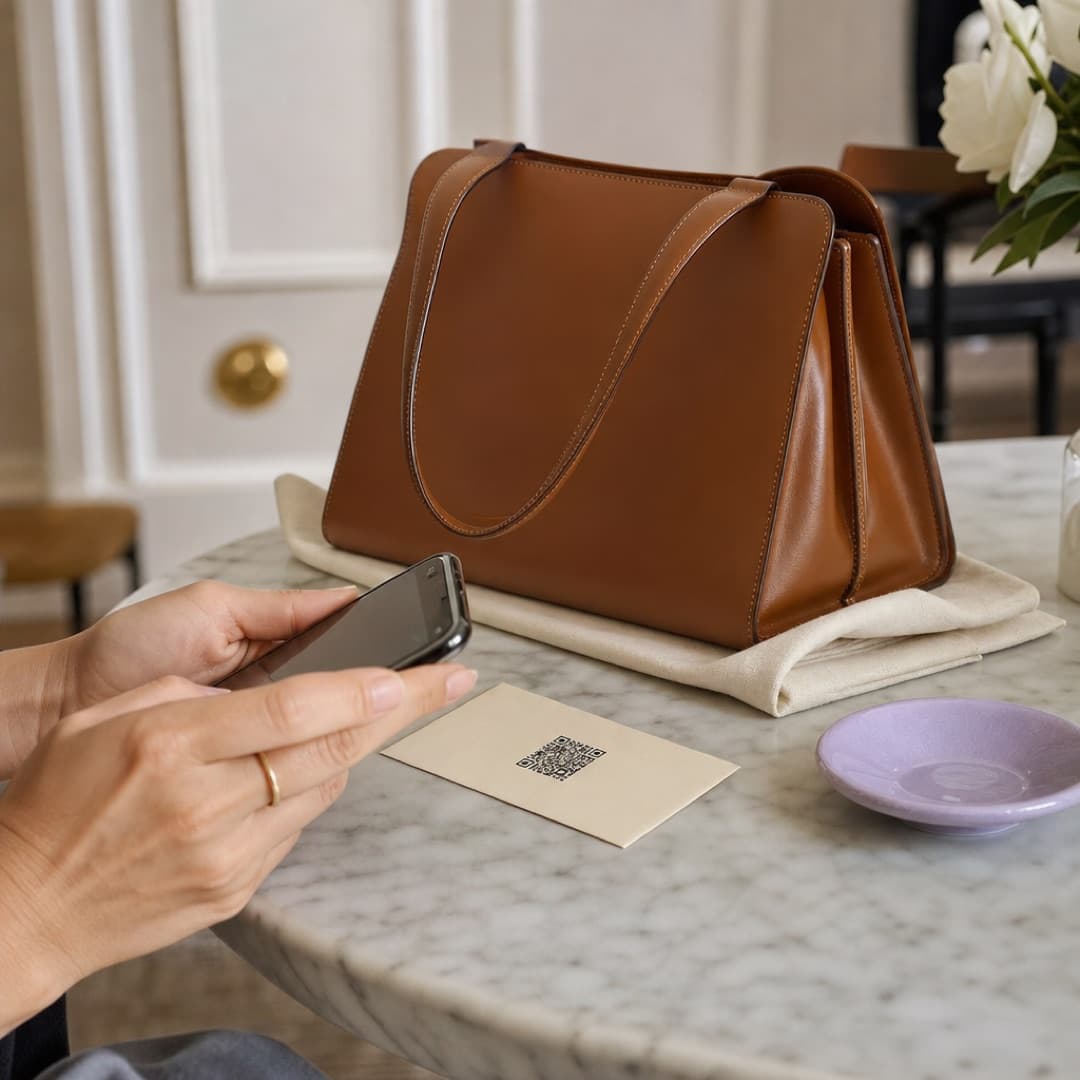
Hands scanning the care card of a leather handbag with a phone

What is luxury product authentication?

Luxury product authentication is the process of confirming that a piece is genuine and was made by the brand. With Veribl, each item carries a unique, serialized QR code. Scanning it checks the code against the brand's records, shows the piece's provenance and flags anomalies, such as a cloned code that is scanned too often.

  • A digital identity for every piece

    Serial number, materials, origin and craftsmanship details live in one record linked to the product.

  • Provenance that follows ownership

    When a piece is resold, the record transfers to the new owner, keeping the chain of authenticity unbroken.

  • Ready for Digital Product Passports

    The same record carries the materials and origin data that EU Digital Product Passports will ask for.

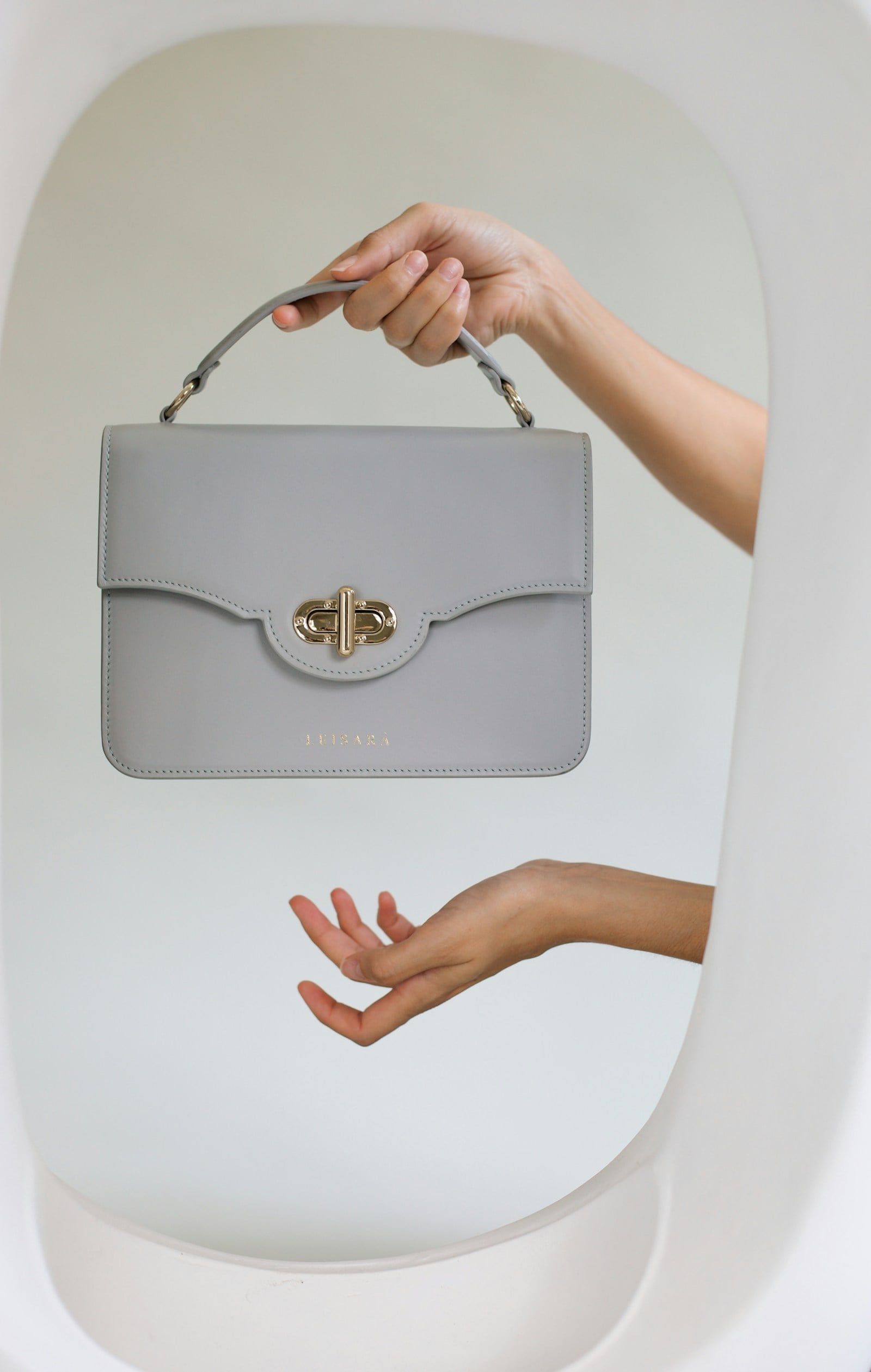
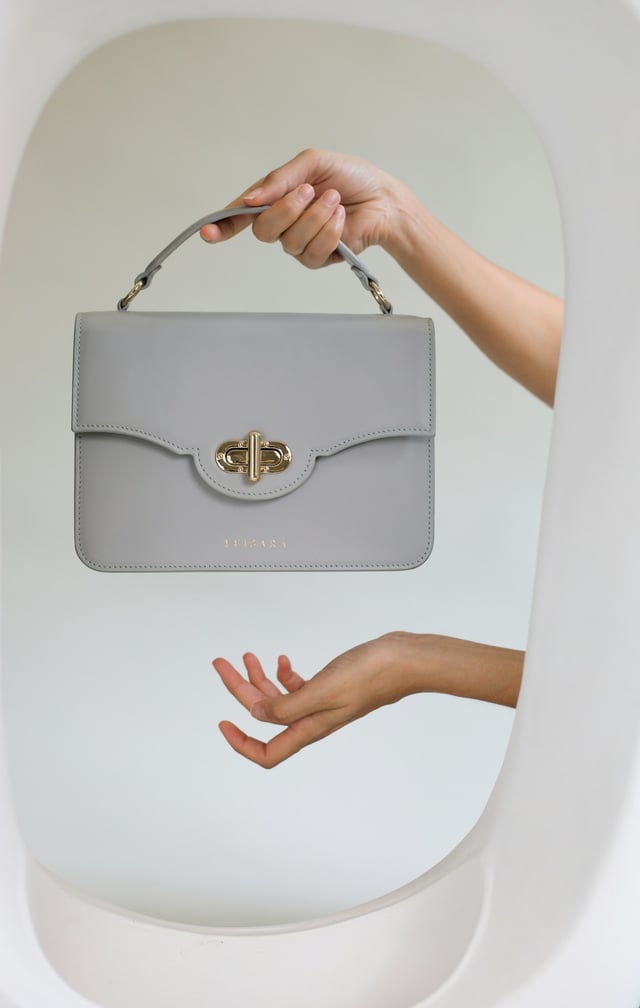
A hand holding a gray leather top-handle bag with a gold turn-lock clasp above another open hand

One scan opens everything a customer needs after the sale.

1 QR
One code connects customers to everything their product needs.
5 in 1
Guides, registration, support, emails, and product information.
0 apps
No app to download. Customers scan and open their product page.

Product authentication and a digital identity for every piece.

Counterfeits cost the luxury market $30B+ annually. Digital authentication is no longer optional.

Instant authentication.

Consumers and resale platforms scan the QR to verify genuineness in seconds. Counterfeits are flagged immediately, protecting brand value and consumer trust.

Post-purchase worthy of the product.

Custom-branded product pages that match your aesthetic. Care instructions, craftsmanship stories, exclusive content — a post-purchase experience as premium as the piece itself.

How luxury product authentication works

A unique code on each piece connects it to a record only your brand can issue.

  1. Step 1

    Tag each piece at production

    Every item receives a unique, serialized QR code linked to its own provenance record.

  2. Step 2

    Scan to verify

    Consumers and resale platforms scan the code, and Veribl checks it against your records instantly.

  3. Step 3

    Flag suspicious codes

    Anomalies, such as one code scanned an unusual number of times, are flagged as a possible clone.

  4. Step 4

    Transfer ownership on resale

    The provenance record moves to the new owner, so authenticity is preserved on the secondary market.

Digital provenance from atelier to authenticated resale.

Digital provenance follows the product — through primary sale, ownership, and into the secondary market.

Provenance that transfers with ownership.

Every piece carries a permanent digital record — materials, craftsmanship, origin, and ownership history. When a consumer sells on the secondary market, the provenance transfers and resale value increases.

Ahead of EU DPP requirements.

ESPR will require Digital Product Passports for textiles first, with more product categories added over time. Brands using Veribl already have the infrastructure in place — materials data, origin, sustainability information, all accessible from the product’s QR code.

Clienteling, resale insight and consumer data for luxury brands.

Direct relationships from every channel.

When a consumer buys at Harrods or Net-a-Porter and scans the QR, you capture their contact information directly. First-party data from wholesale purchases — without changing distribution.

Secondary market intelligence.

Track resale activity, ownership transfers, and authentication scans. Understand how your products move through the secondary market and where your brand shows up.

VIP clienteling at scale.

Post-purchase emails for care tips, exclusive invitations, and personalized recommendations. Build direct relationships with every product owner, regardless of where they bought.

Frequently asked questions