
Feb 18, 2027
Battery passport mandatory
For every battery placed on the EU market from that day.
Every LMT, EV and industrial battery above 2 kWh sold in the EU needs a battery passport from February 18, 2027. Veribl creates one for every battery, collects supplier data, and puts it behind a QR code.
How can Veribl help with battery rules?

The deadline
Feb 18, 2027
For every battery placed on the EU market from that day.
2 kWh
Industrial batteries above it need a passport; all LMT and EV batteries do.
3
Public, legitimate interest, and authorities, set field by field in Annex XIII.
A battery passport is a digital record of a battery's identity, materials, carbon footprint, supply-chain due diligence, performance and end-of-life information, required by the EU Battery Regulation (EU) 2023/1542. A QR code on the battery links to it, and it is the first Digital Product Passport the EU makes mandatory.
Each battery has its own unique identifier and record; shared model data is filled in once.
Carbon footprint, recycled content and due diligence mostly come from cell and material suppliers.
Riders see public data, repairers and recyclers get restricted fields, authorities the full record.
Built on the Battery Pass data model (DIN DKE SPEC 99100) and tested with BatteryPass-Ready.
Import your battery models and serial numbers, and Veribl creates a passport and a QR code for each unit. Public data shows to anyone who scans; restricted data opens only for repairers, recyclers and authorities with their own access link.
Send your cell and pack suppliers a secure link for the carbon footprint study, recycled content and due diligence data. They upload their documents, the fields fill in, and nothing reaches the passport before you approve it.

From the battery data you already have to a published passport on every unit.
Battery models, chemistry, capacity and serial numbers from a spreadsheet, your PIM or the API.
Veribl checks every Annex XIII field and lists what each battery still needs.
One request per supplier for the data they hold; their answers come back for your review.
Each battery gets its passport, its QR code for the label, and hosting for at least 10 years.
The regulation covers three battery categories from February 18, 2027.
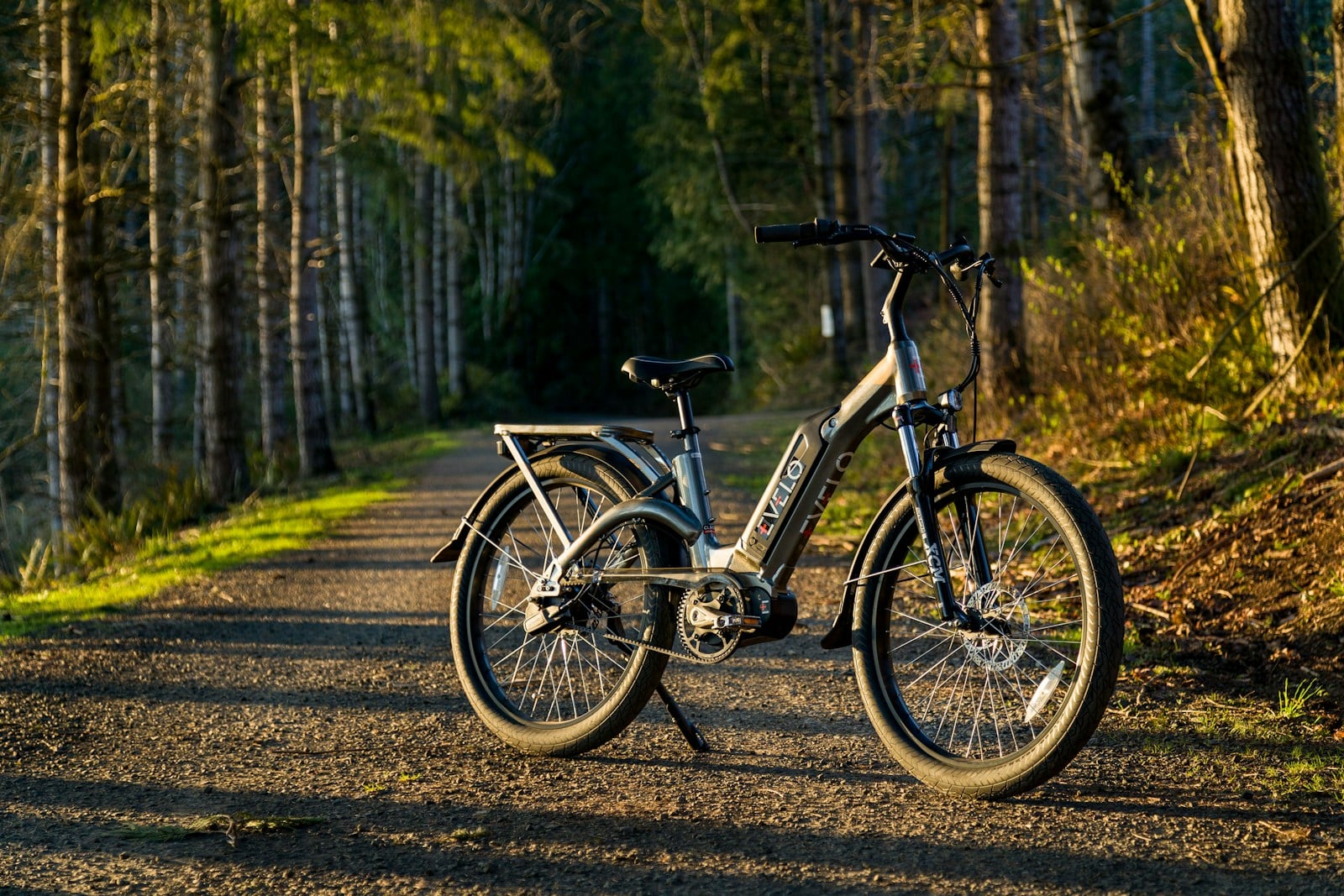
LMT batteries for e-bikes, e-scooters and other light means of transport.
Veribl for e-bike brandsIndustrial batteries above 2 kWh, including home and commercial energy storage systems.
Traction batteries for electric cars, vans, buses and motorcycles.
Start free in minutes, or book a personalized walkthrough with our team.